About PZF
Western Pennsylvania’s longest running independent show for zinesters, artists, and independent publishers! The Pittsburgh Zine Fair has been holding it down since 2011, bringing together comics, zines, handmade print, and the people who make them.
PZF is fully volunteer organized, relies on community sponsorship, and is dedicated to a DIY ethos.
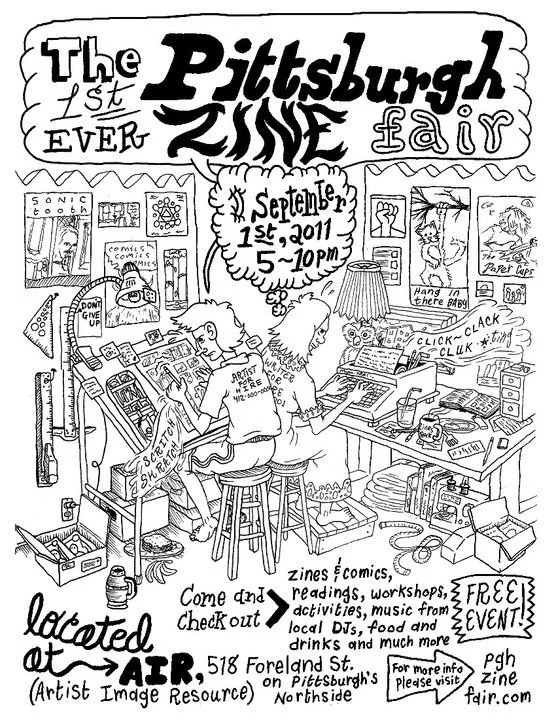
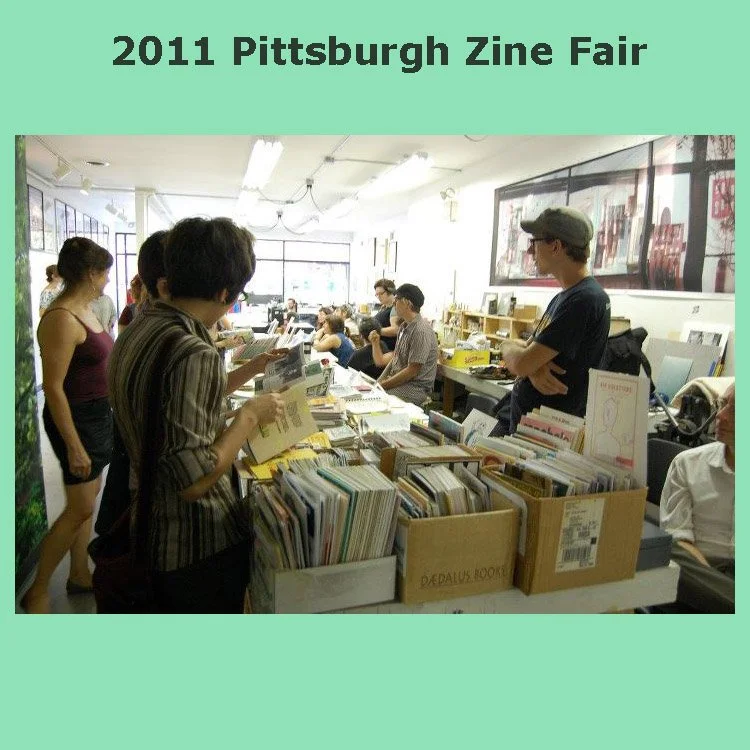
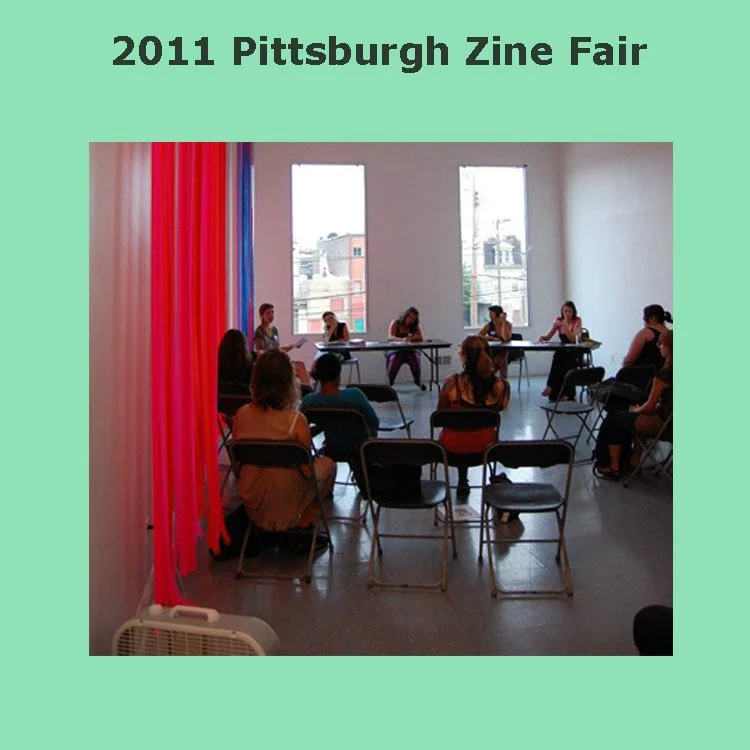
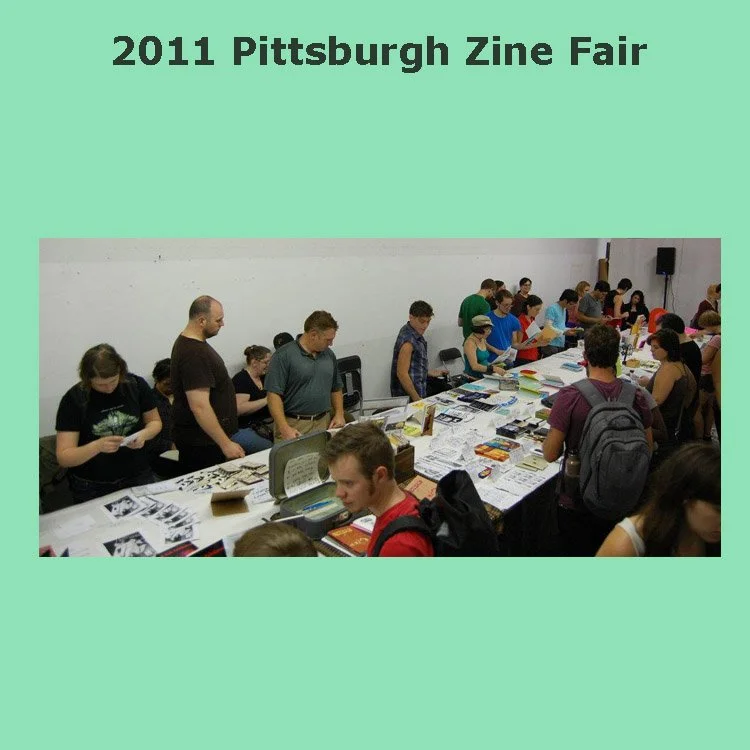
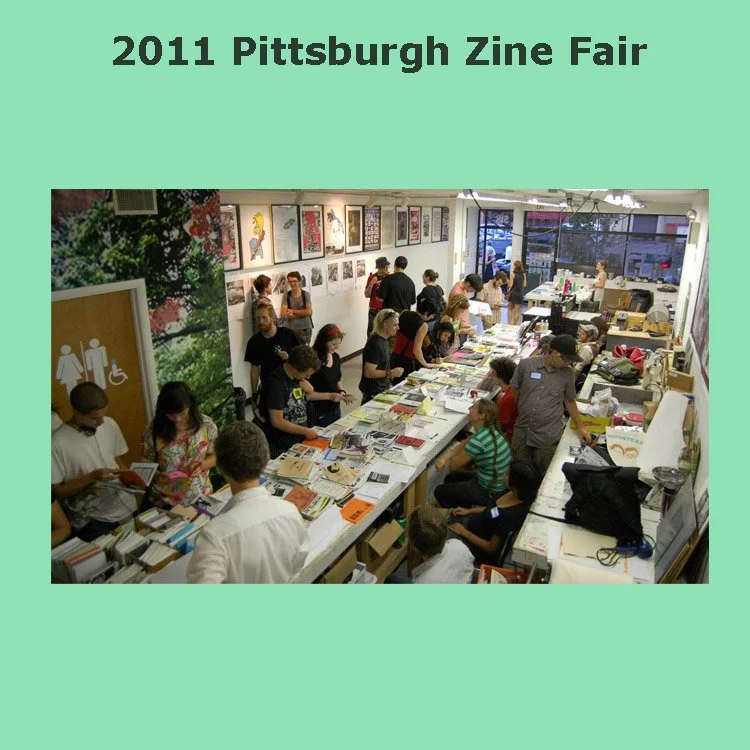
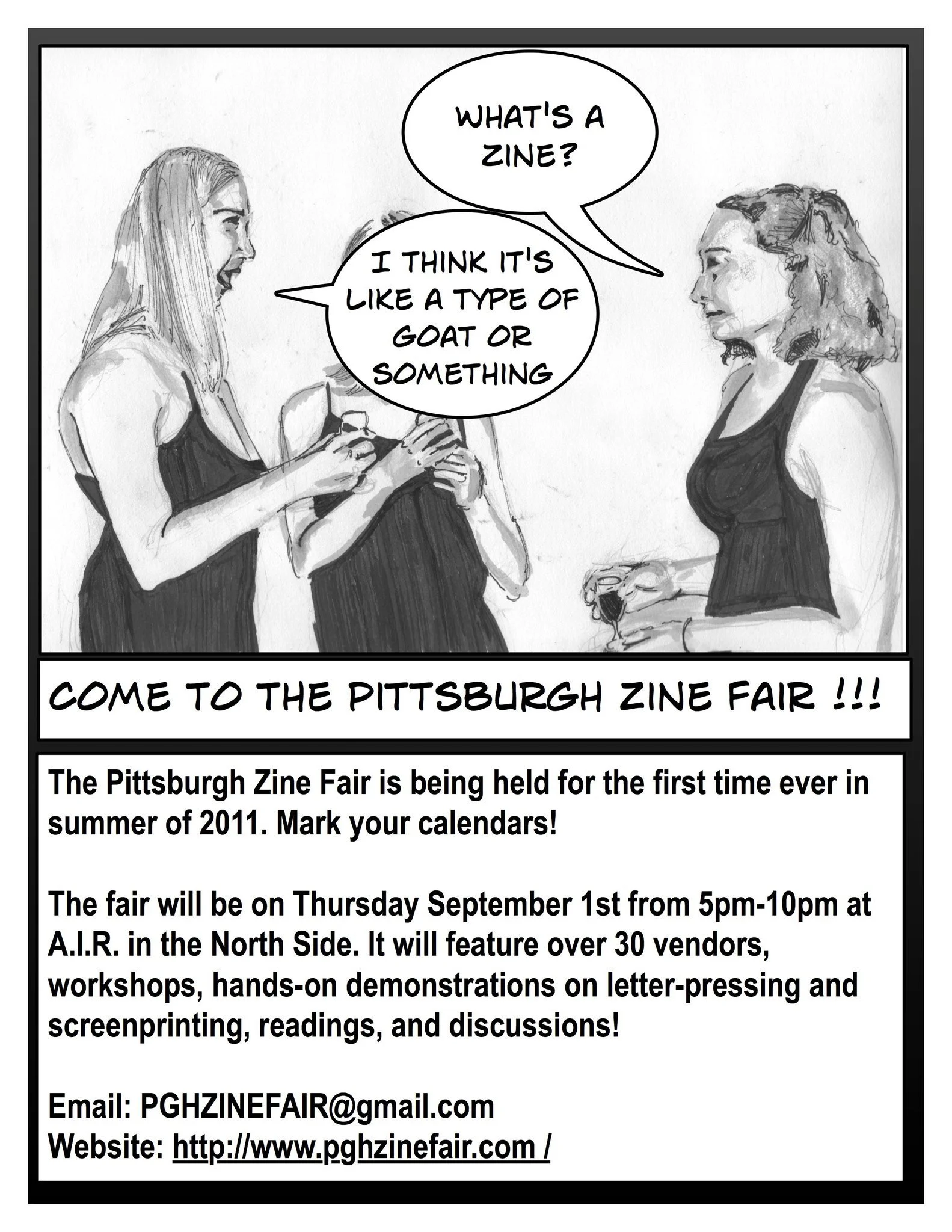
The first ever PZF 2011 at Artist Image Resource
Our History
In 2011, participants of the Feminist Zine Symposium at the Carnegie Library reached out to local indie cartoonists to organize a Pittsburgh-based event to promote zines and zine-makers. Since its debut at Artist Image Resource in 2011, the PZF has attracted a diverse group of artists, writers, and activists from across the region whose content varies, but the format remains the same: the zine. An icon of DIY ethos and radical info sharing, the zine decentralizes media and vaults individual expression while remaining inexpensive.
Essentially, a zine is any self-published, small run book, commonly photocopied. Historic figures like Martin Luther, Benjamin Franklin or William Blake could be considered early “zinesters”, but the modern term grew out of 1940s rock ‘n’ roll-related “fanzines” and popularized by the Punk Rock and Riot Grrl communities in the 1970s and ‘90s, respectively. An icon of DIY ethos and radical, democratic information sharing, the zine decentralizes media and vaults individual expression while remaining inexpensive.
Most of our history took place at the Union Project, or venues like Mr. Roboto Project, Carnegie Mellon University, and the now-defunct ACE Hotel. With growing annual attendance, the PZF has partnered with the Kingsley Association since 2023. Along the way, PZF has organized mixers, zine readings, and mini zine fairs throughout the year.
This event is always free to all-age attendees.
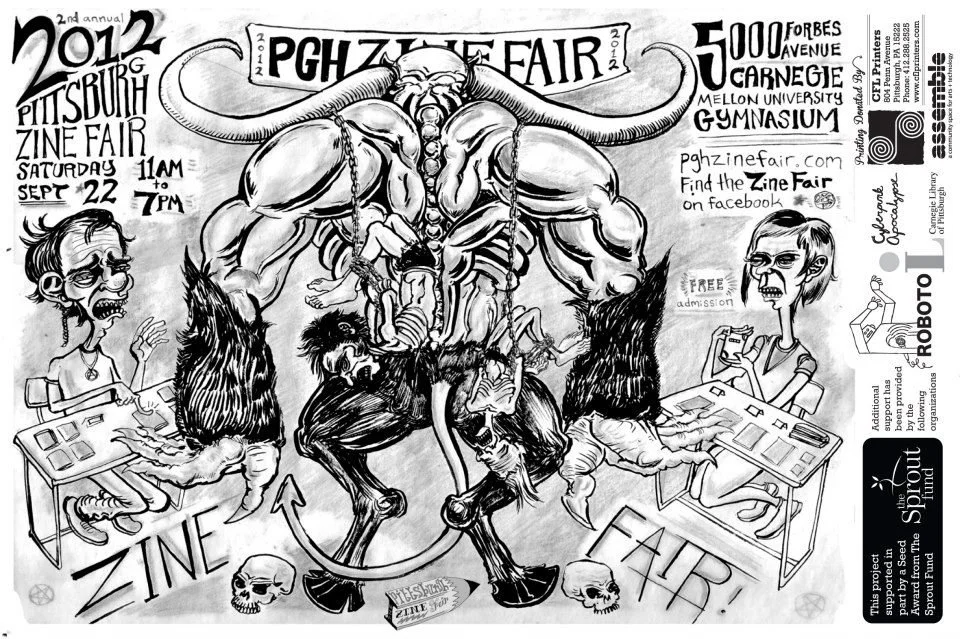
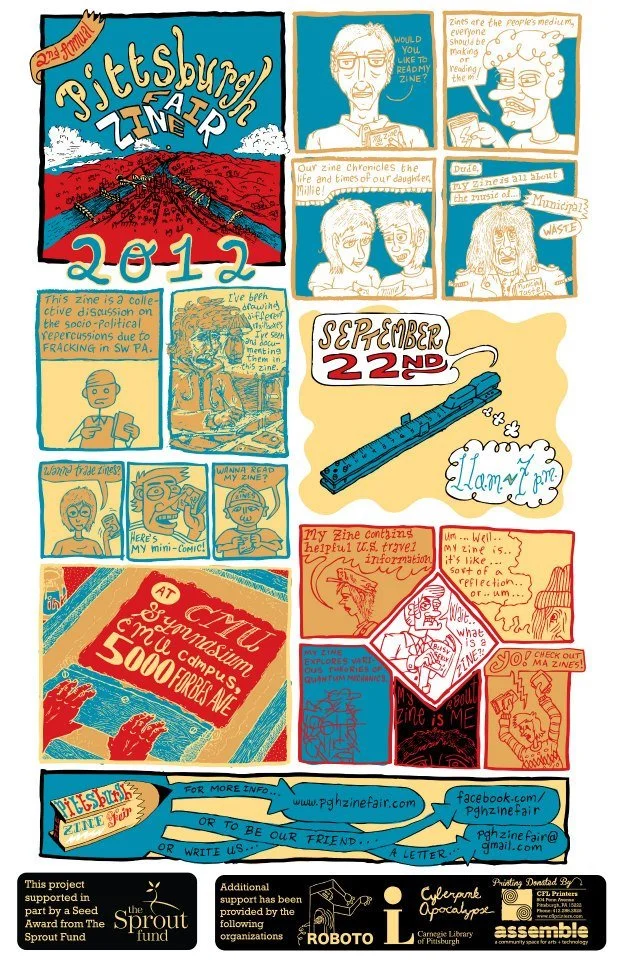
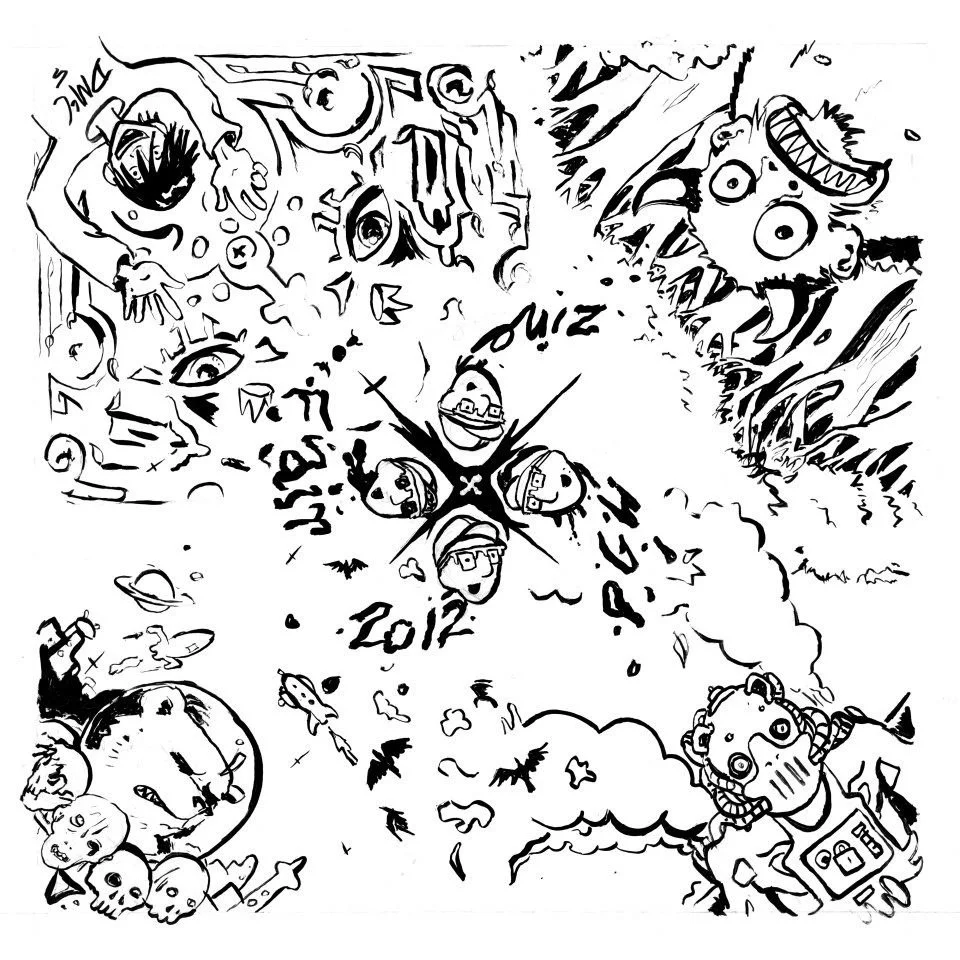
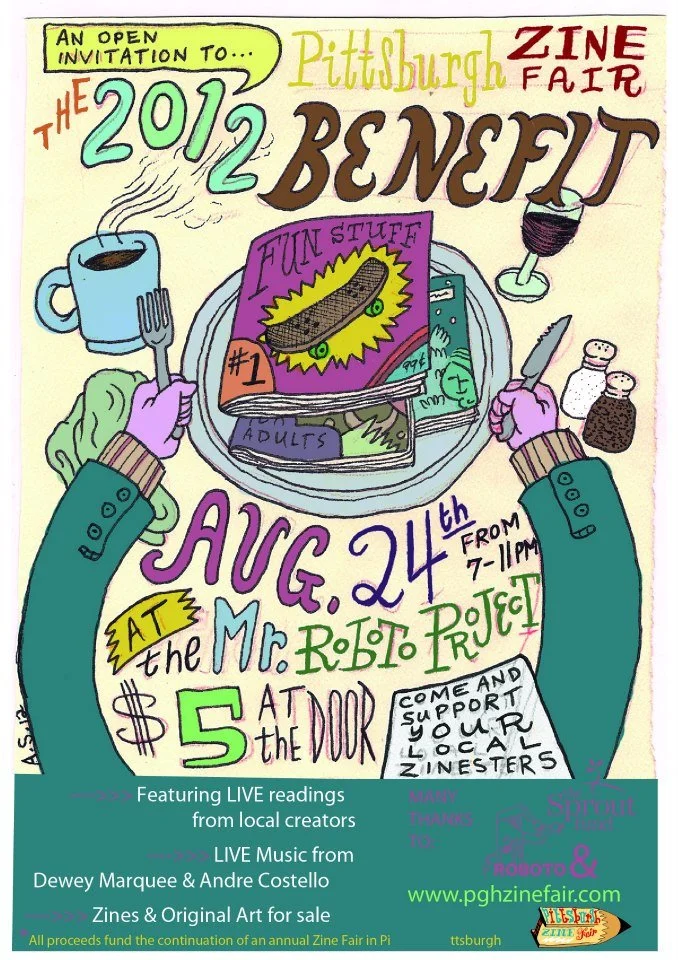
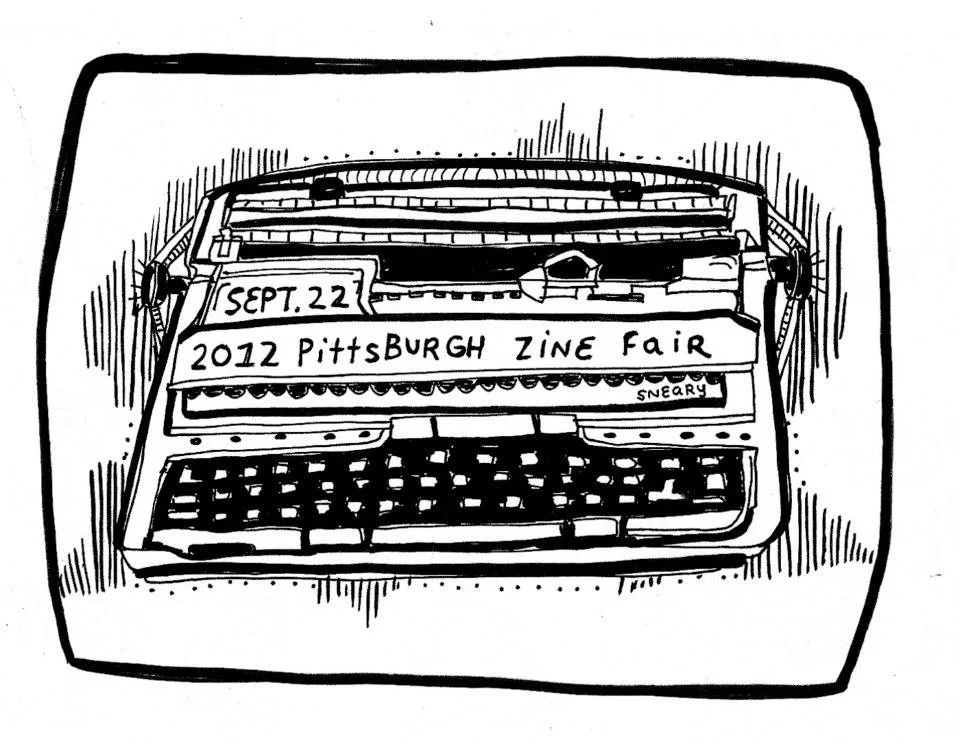
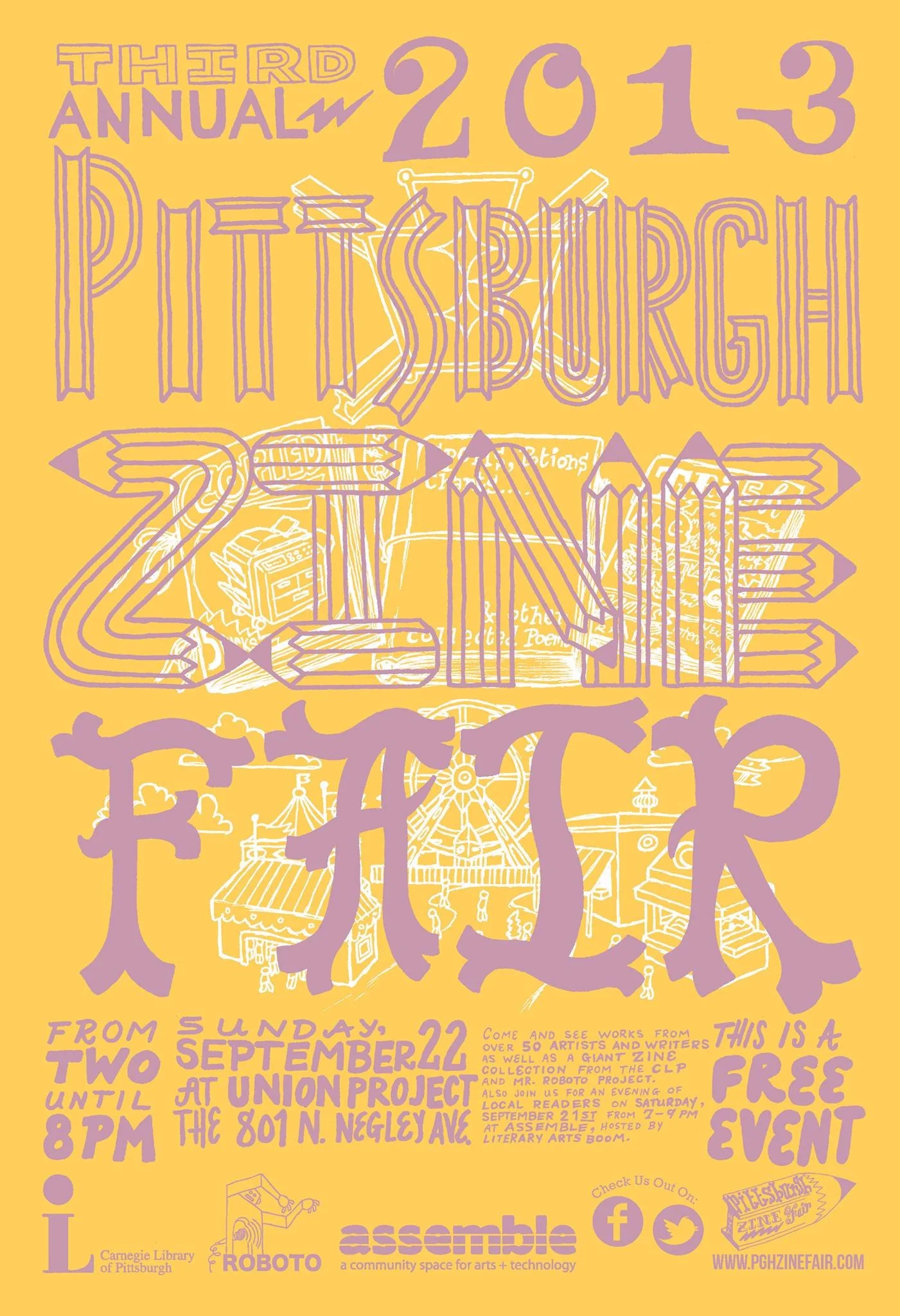
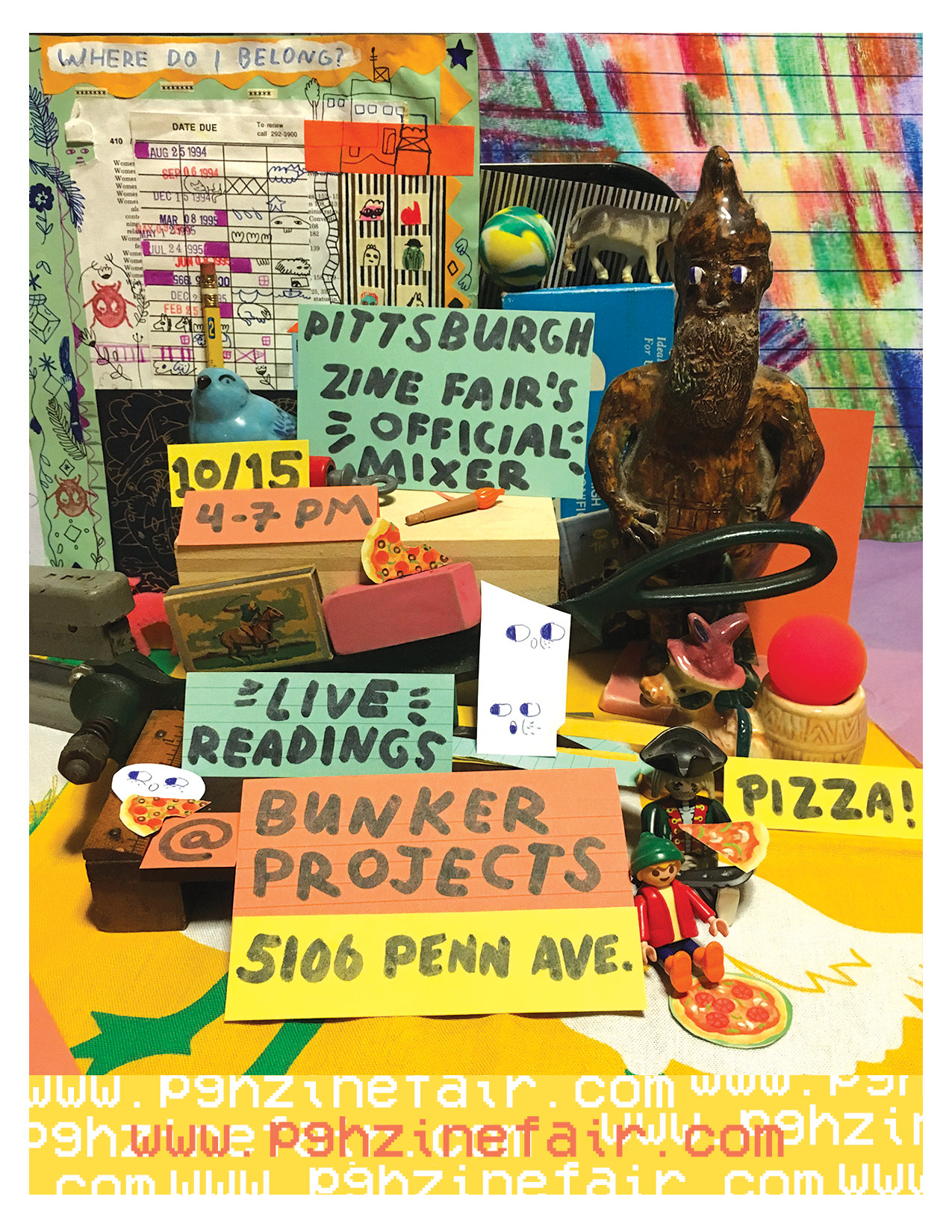
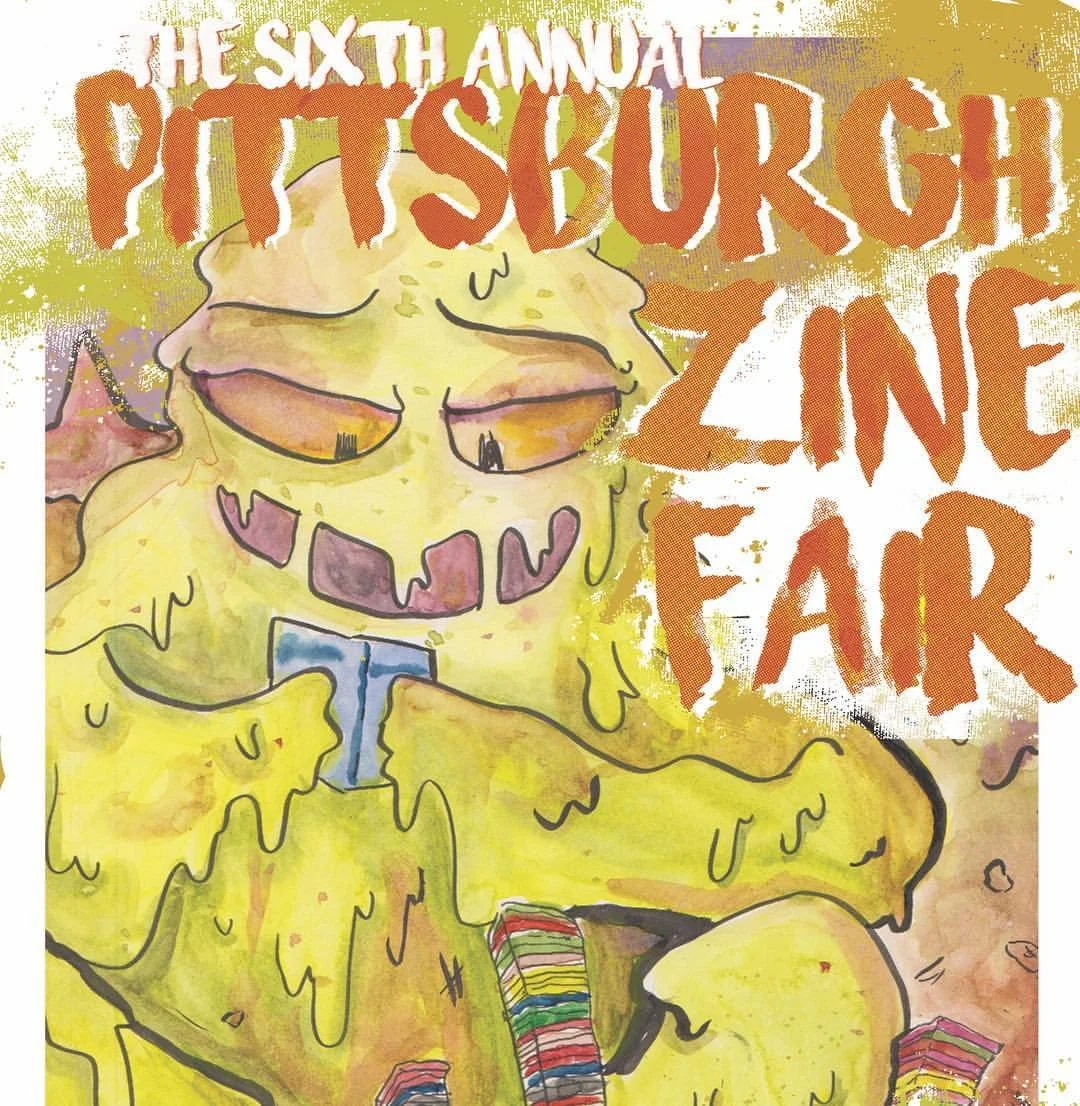
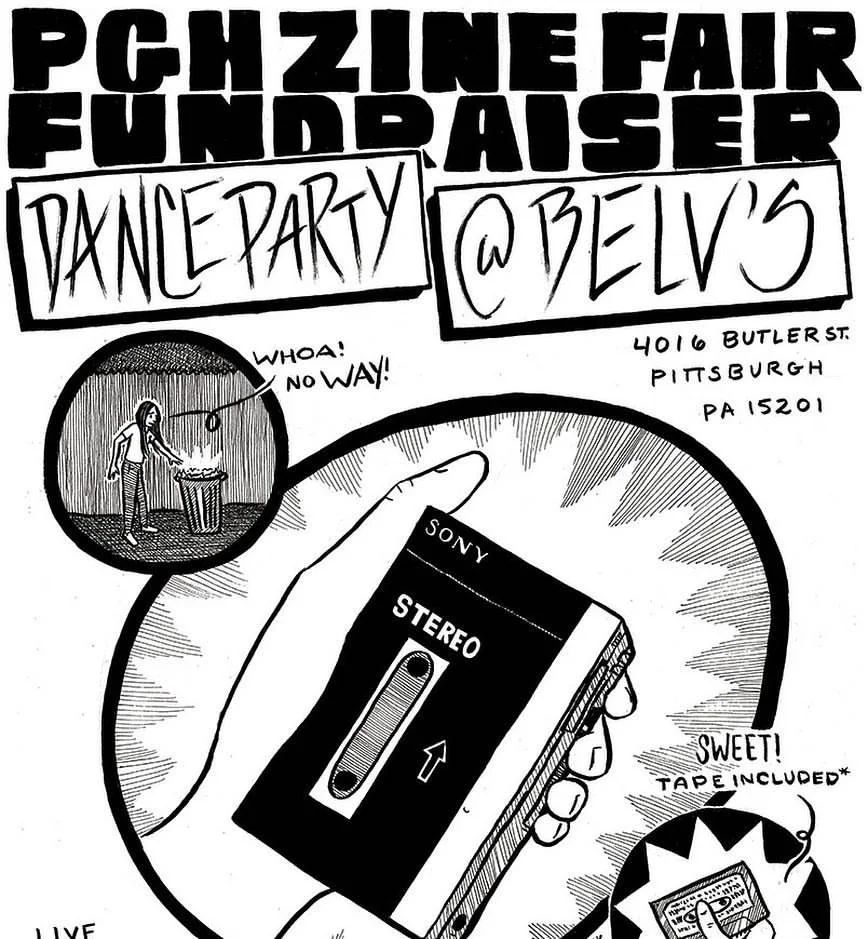
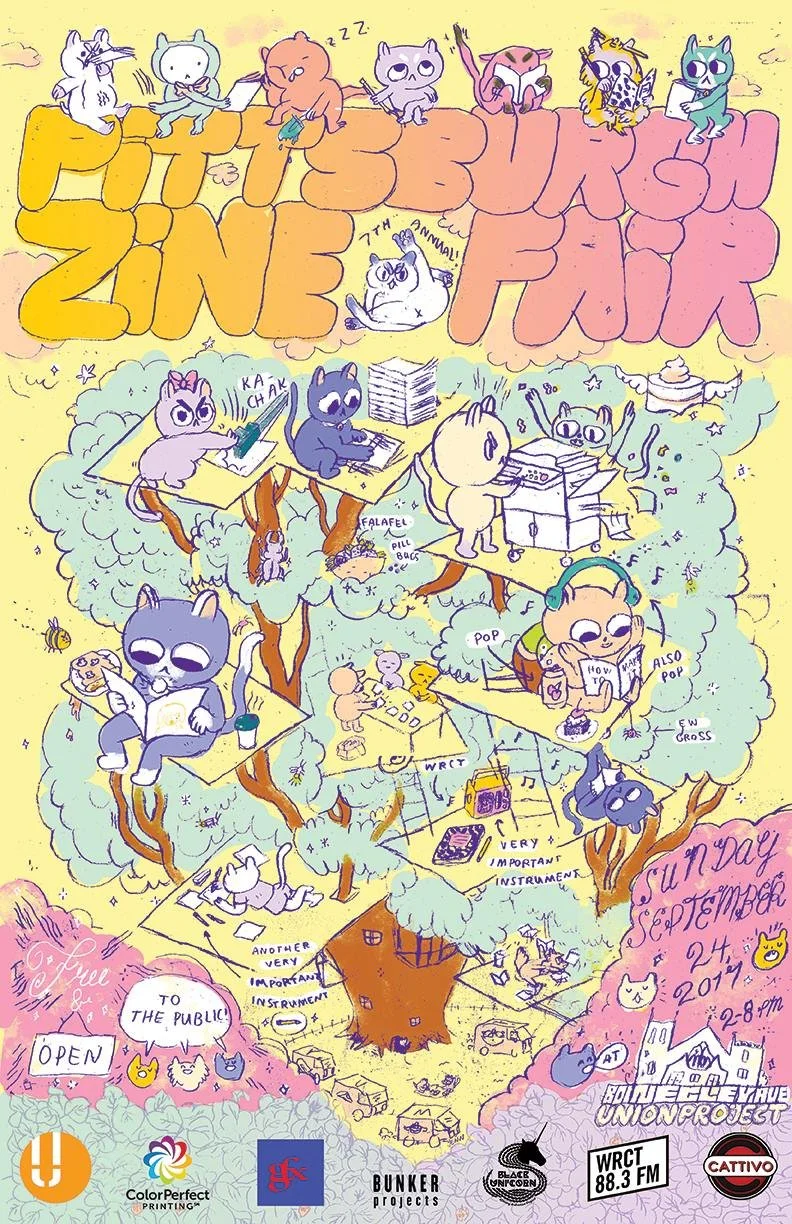
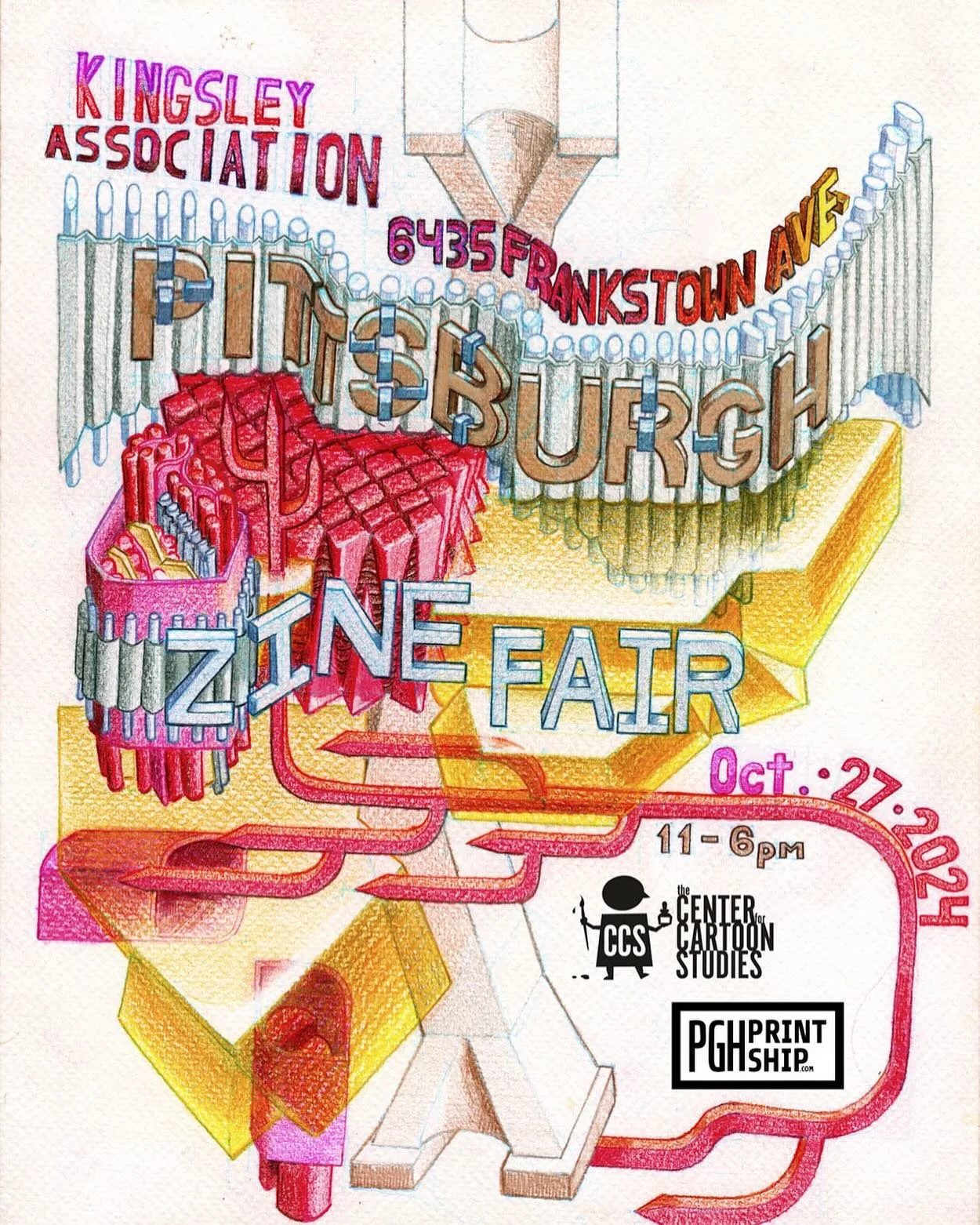
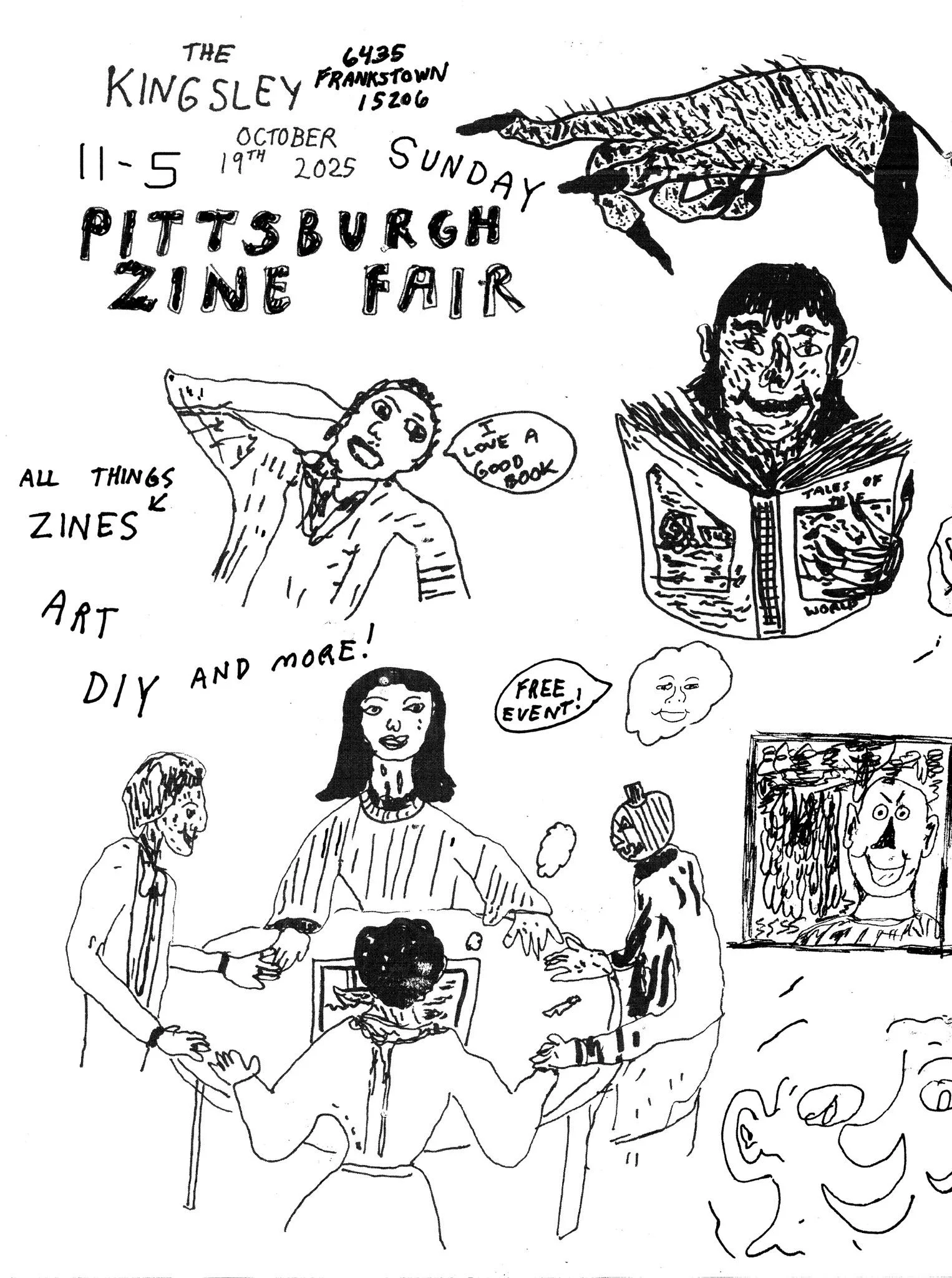
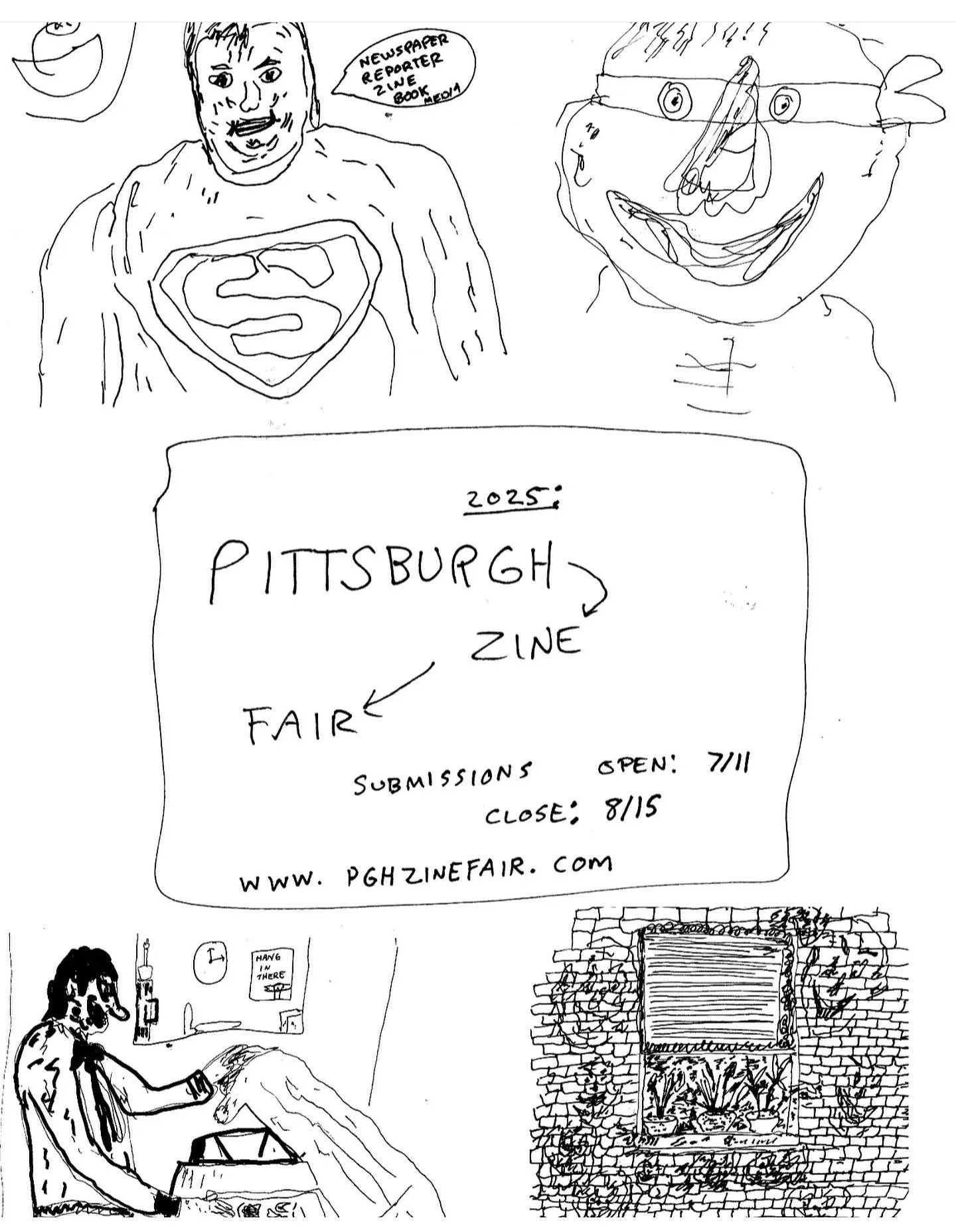
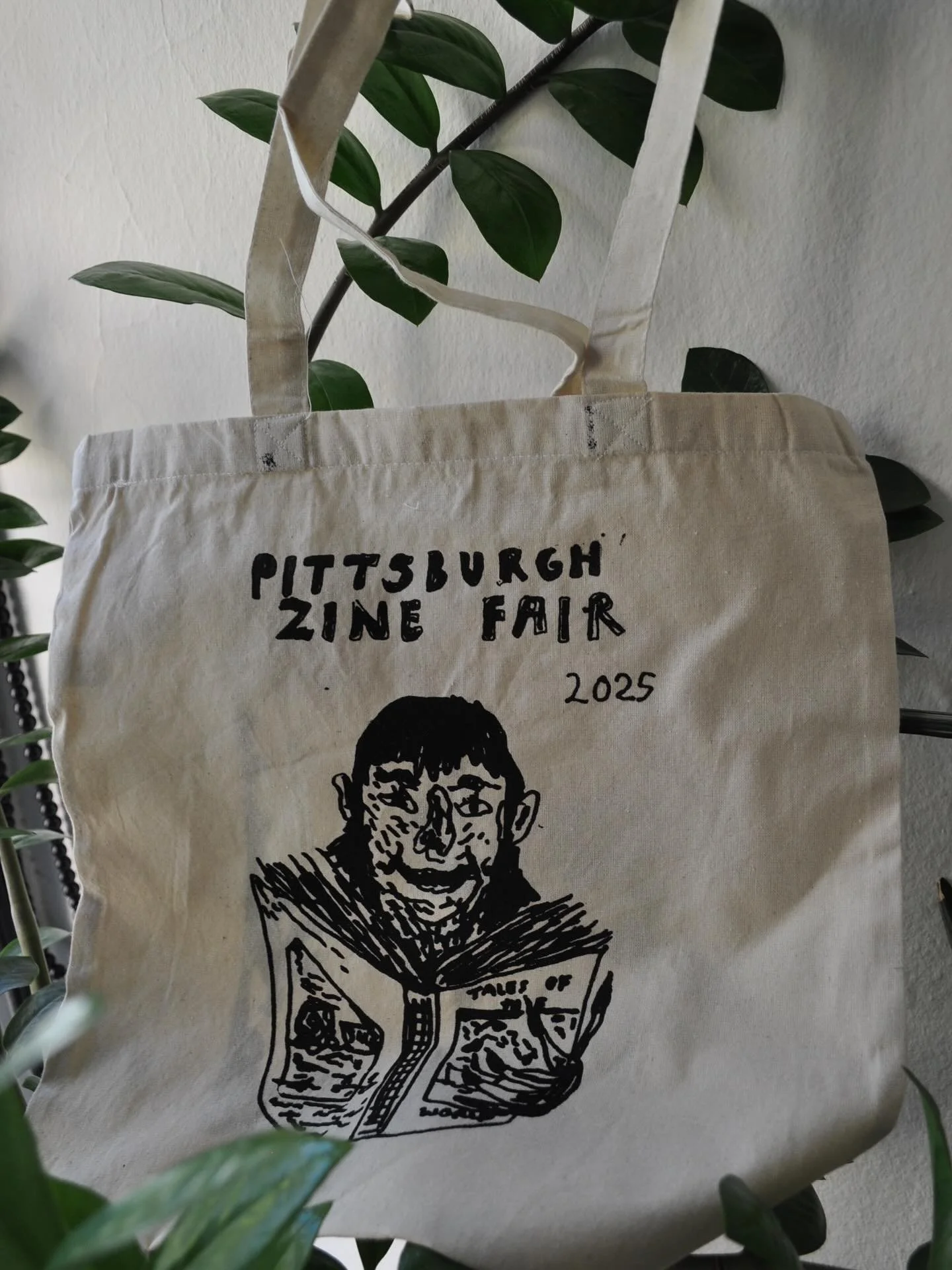
Archive of PZF posters, badges, stickers, and merch designs
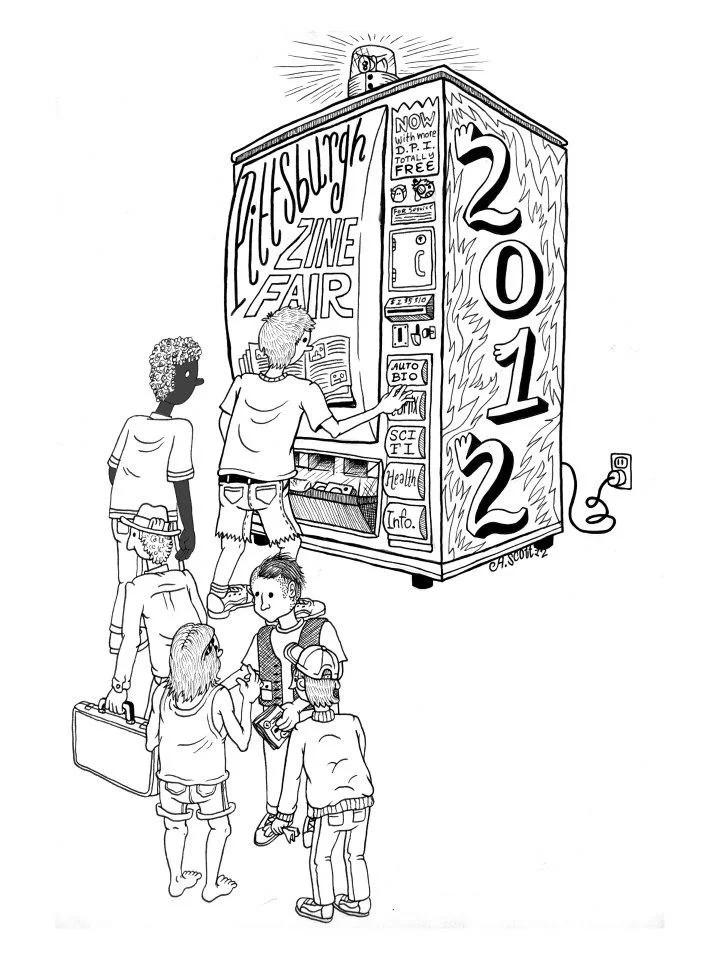
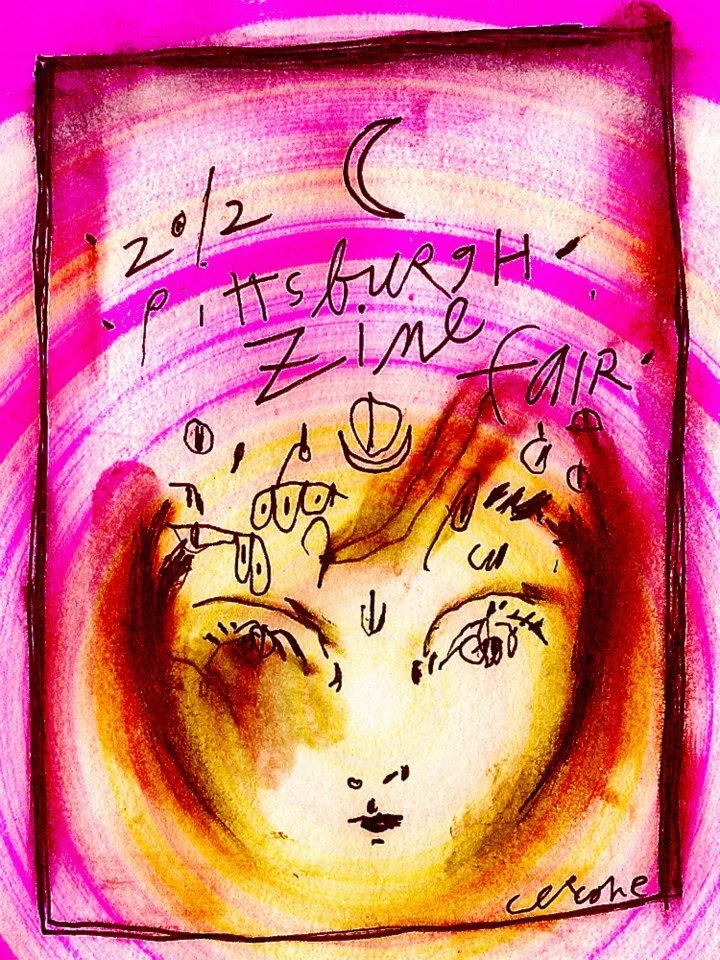
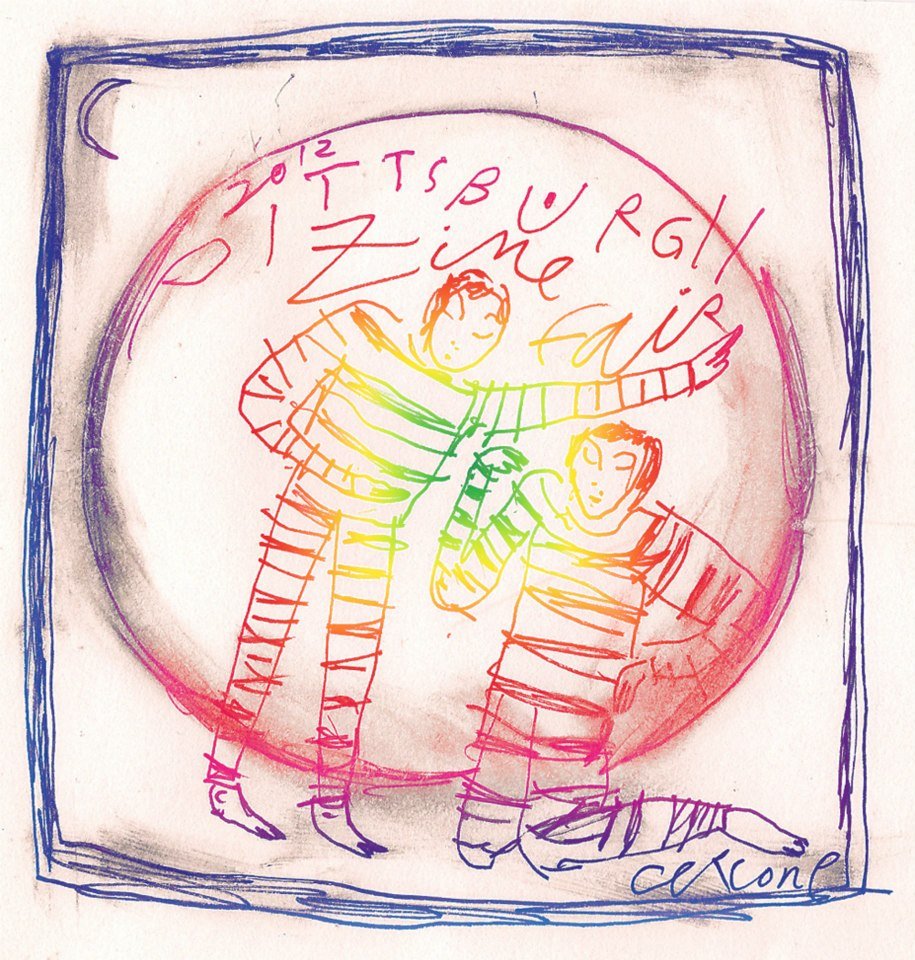
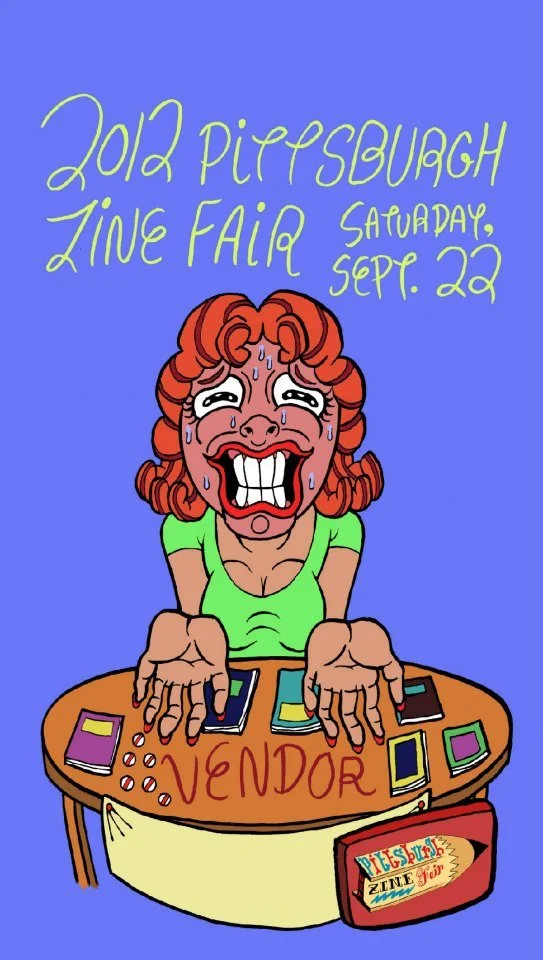
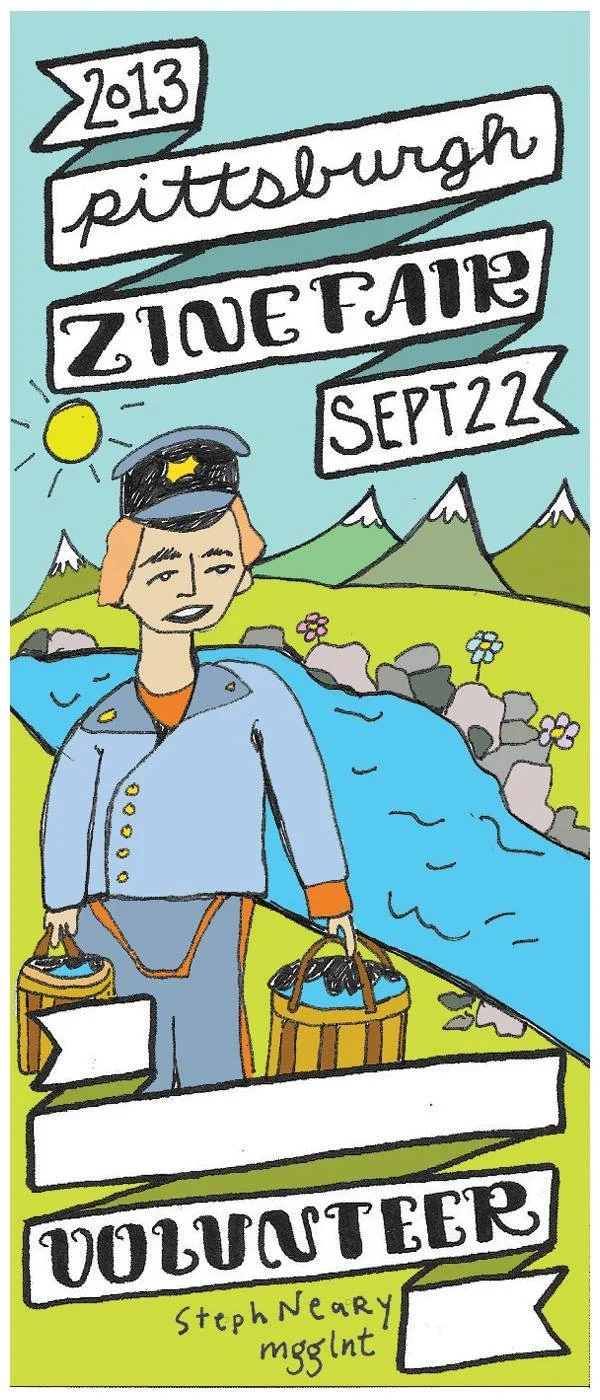
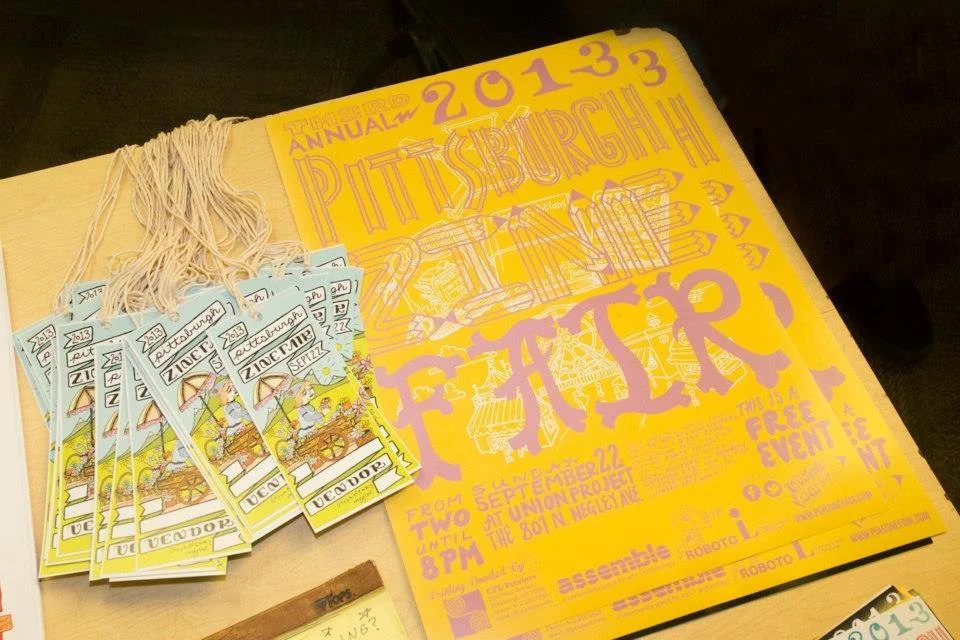
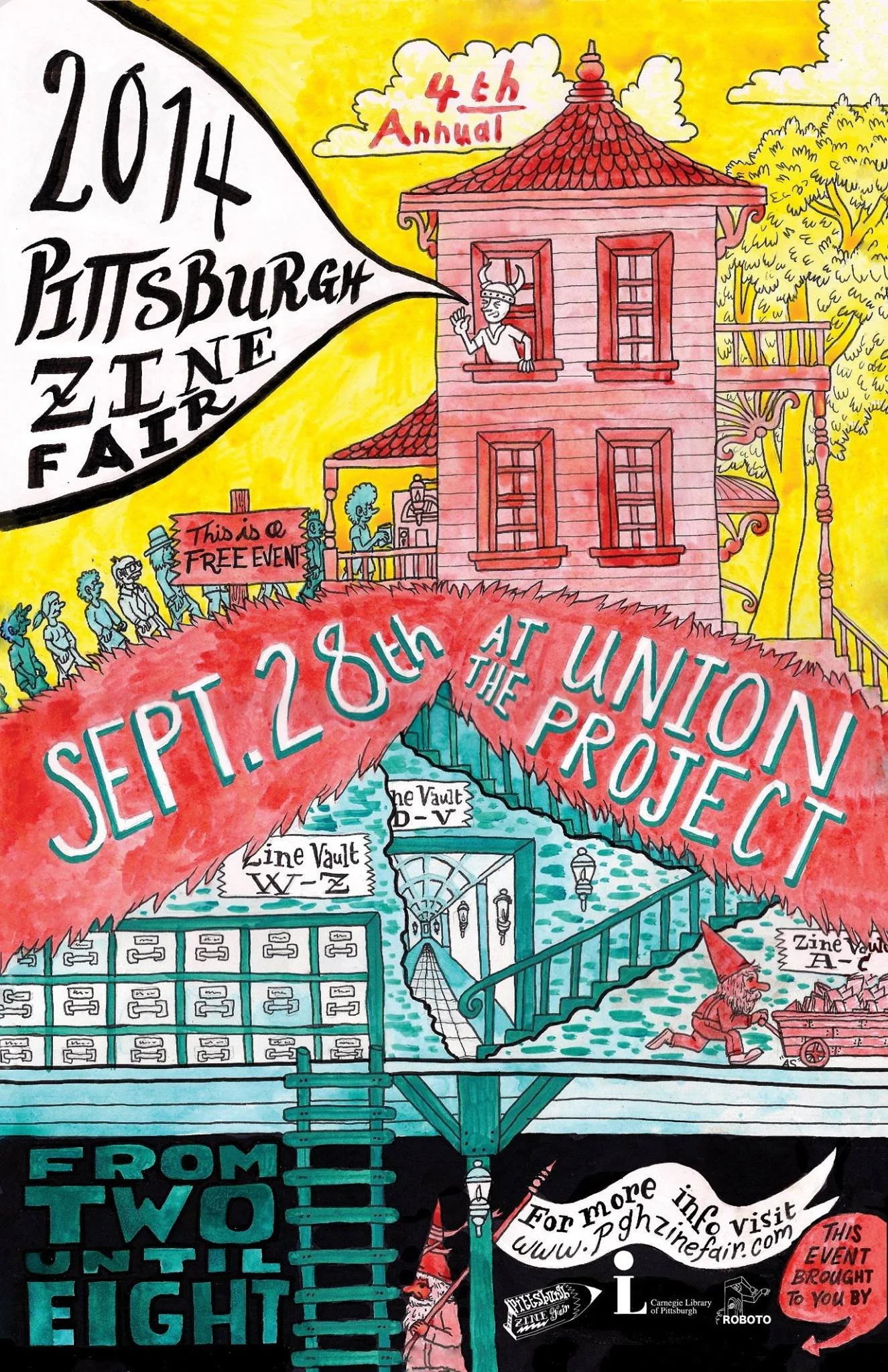
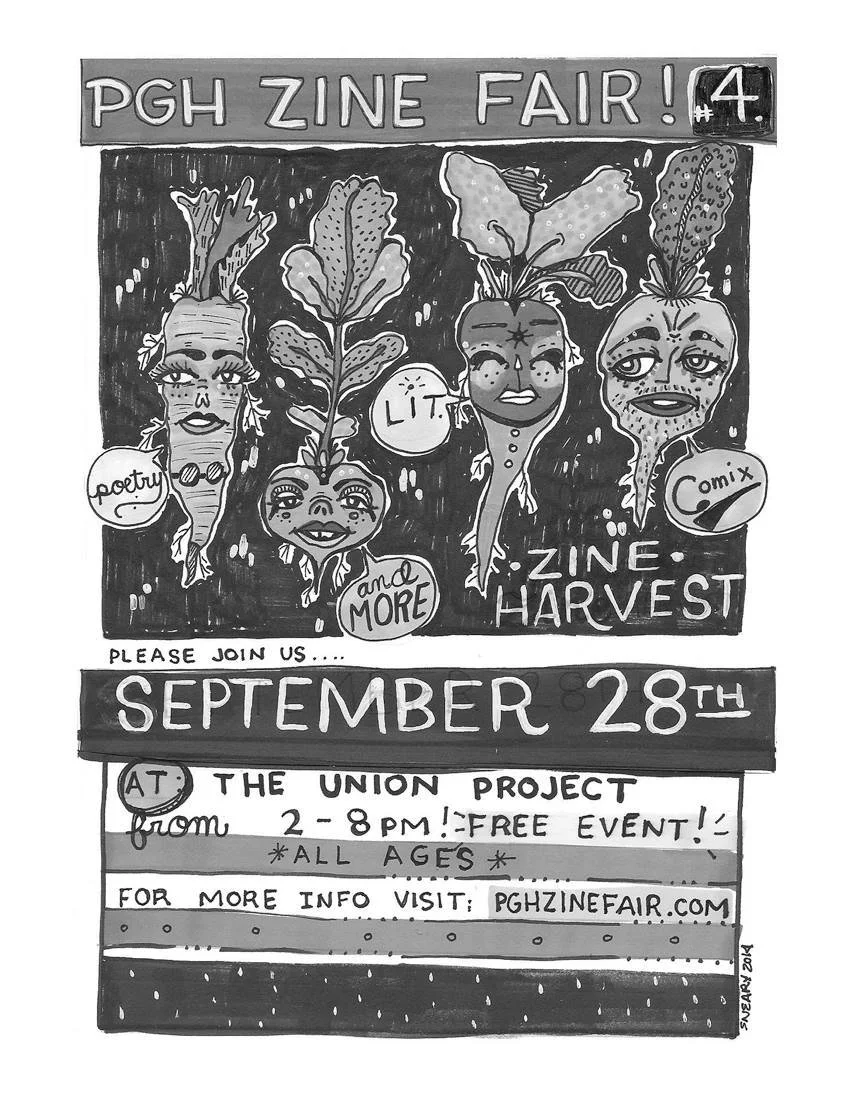
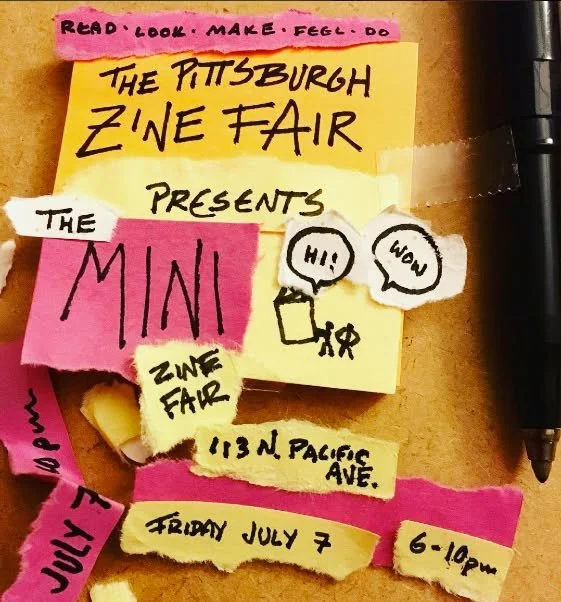
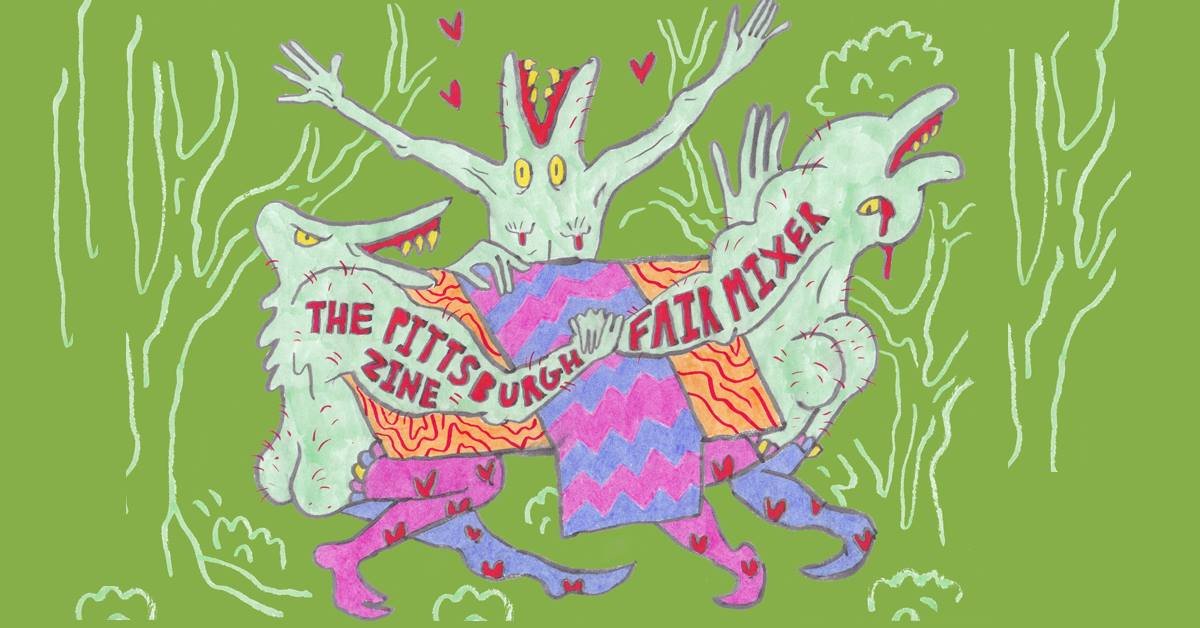
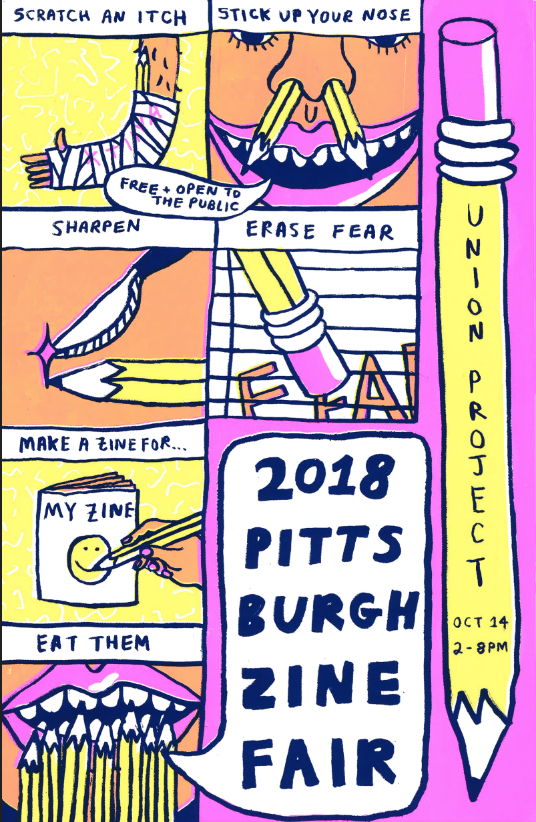
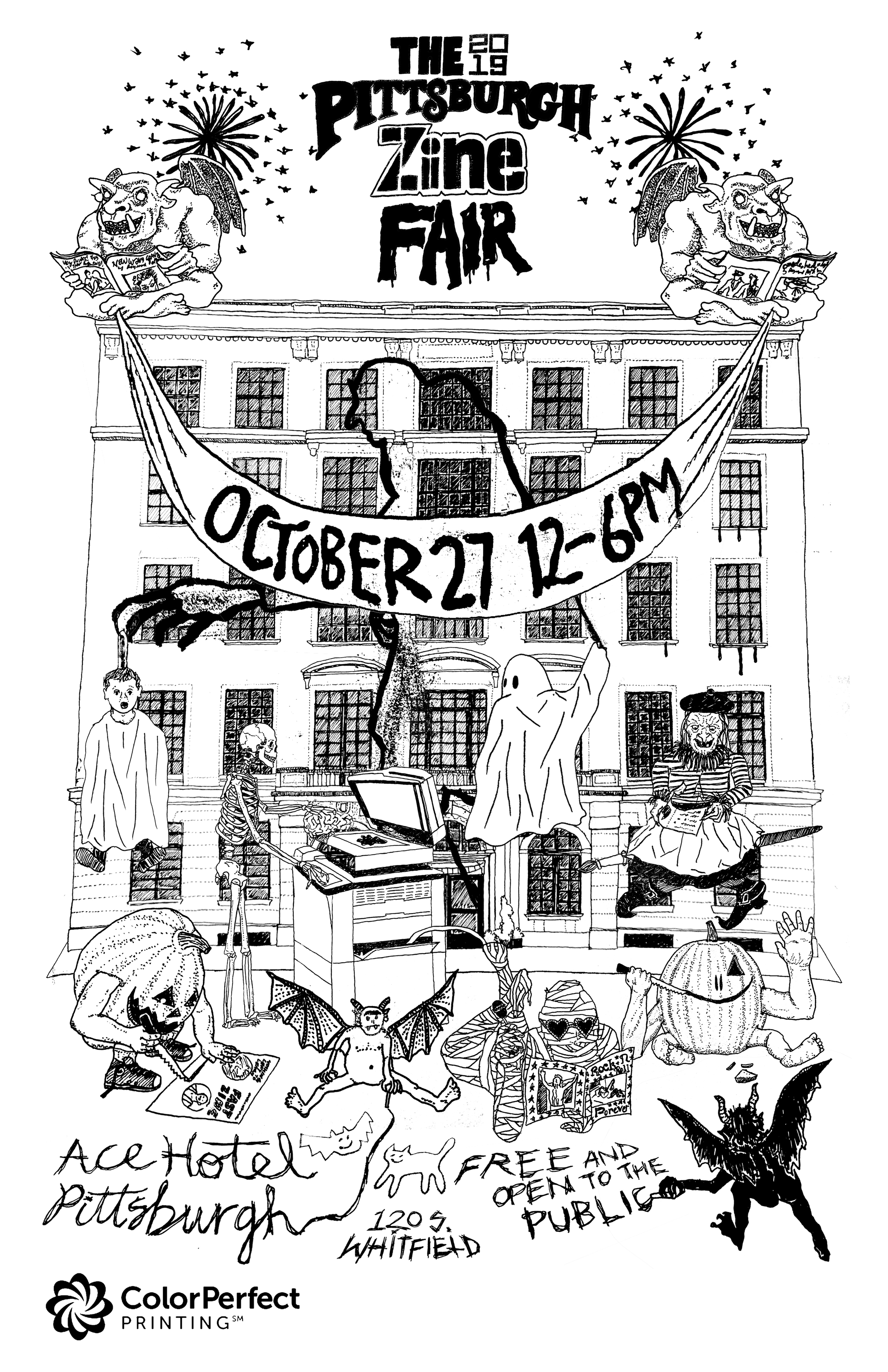
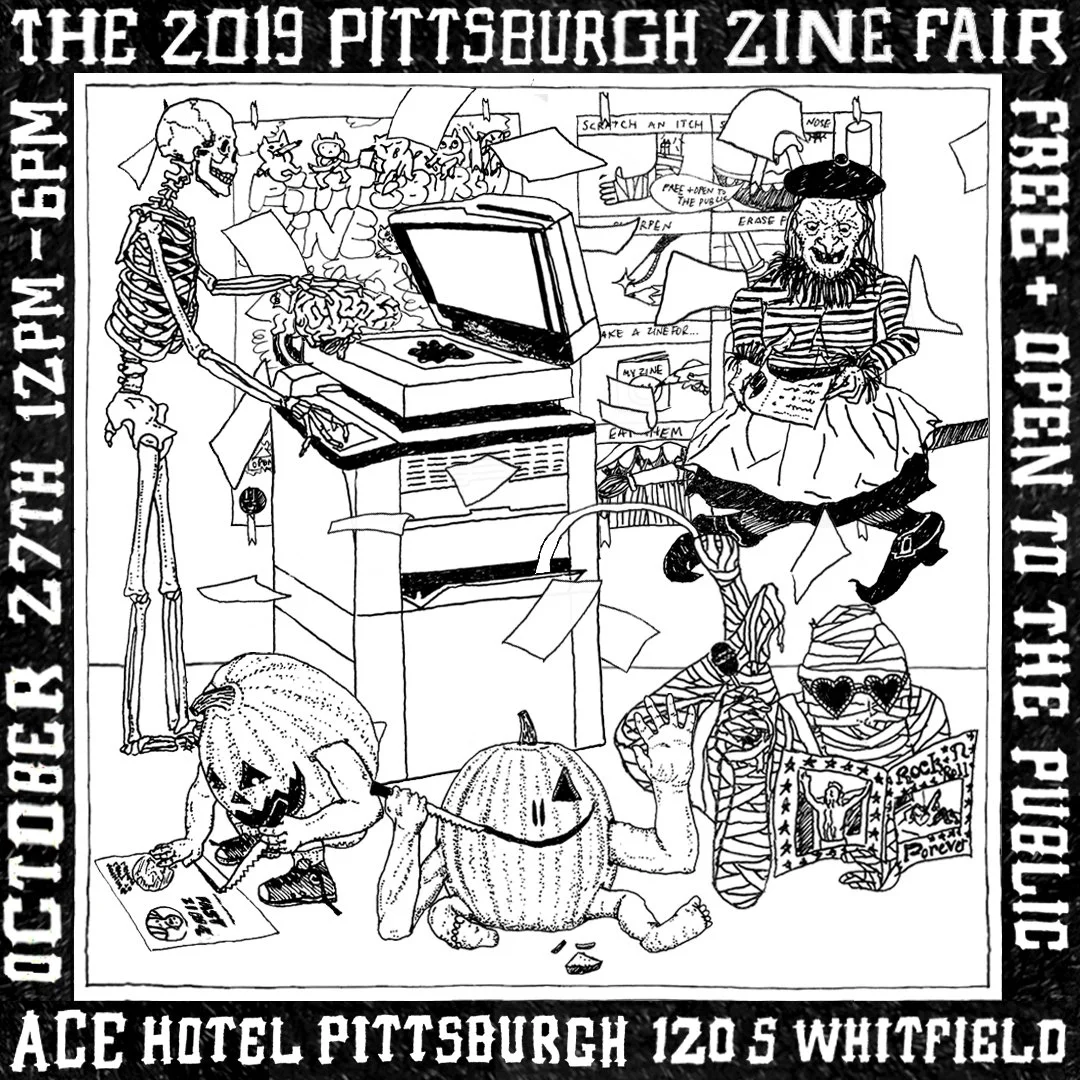
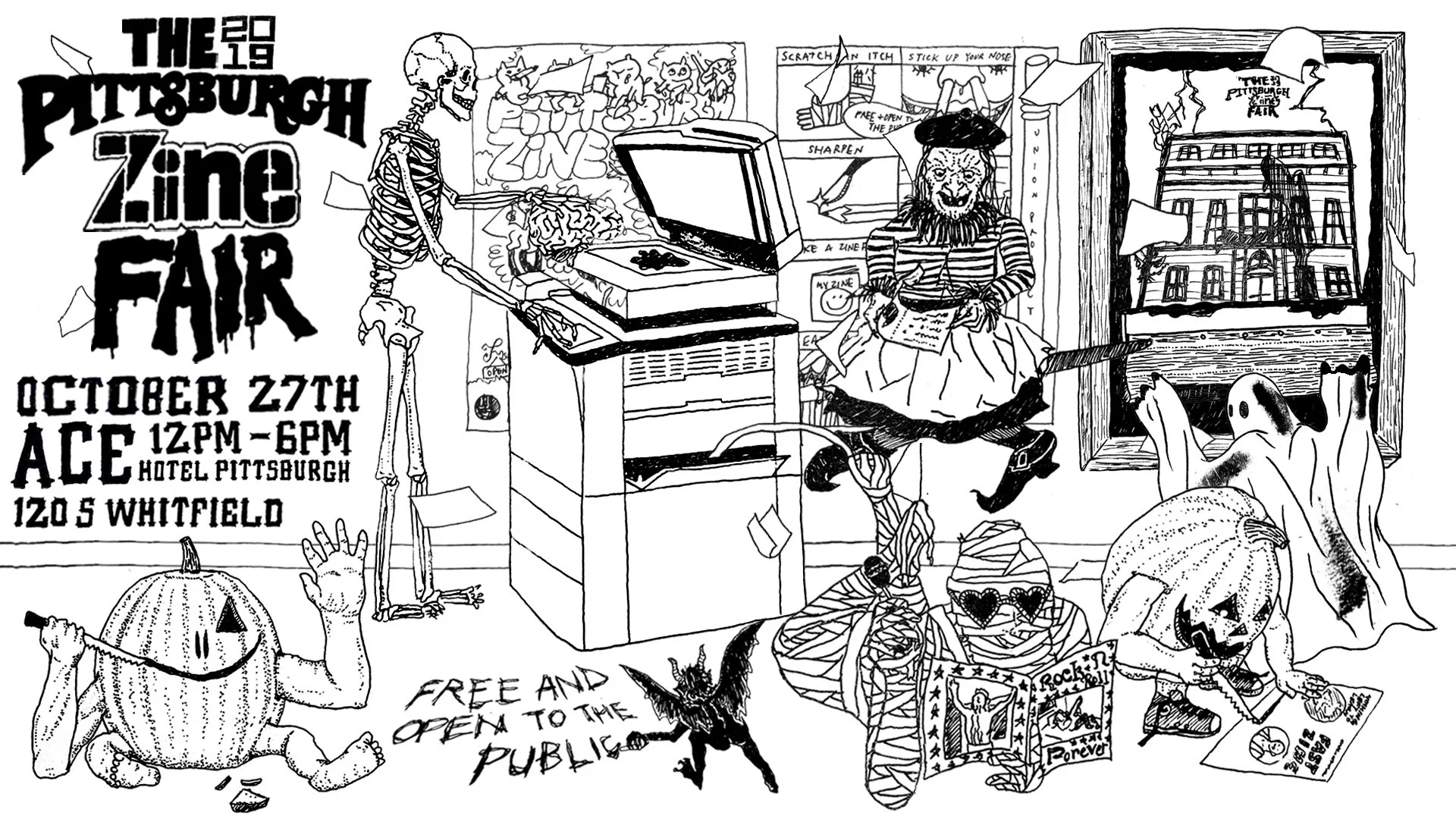
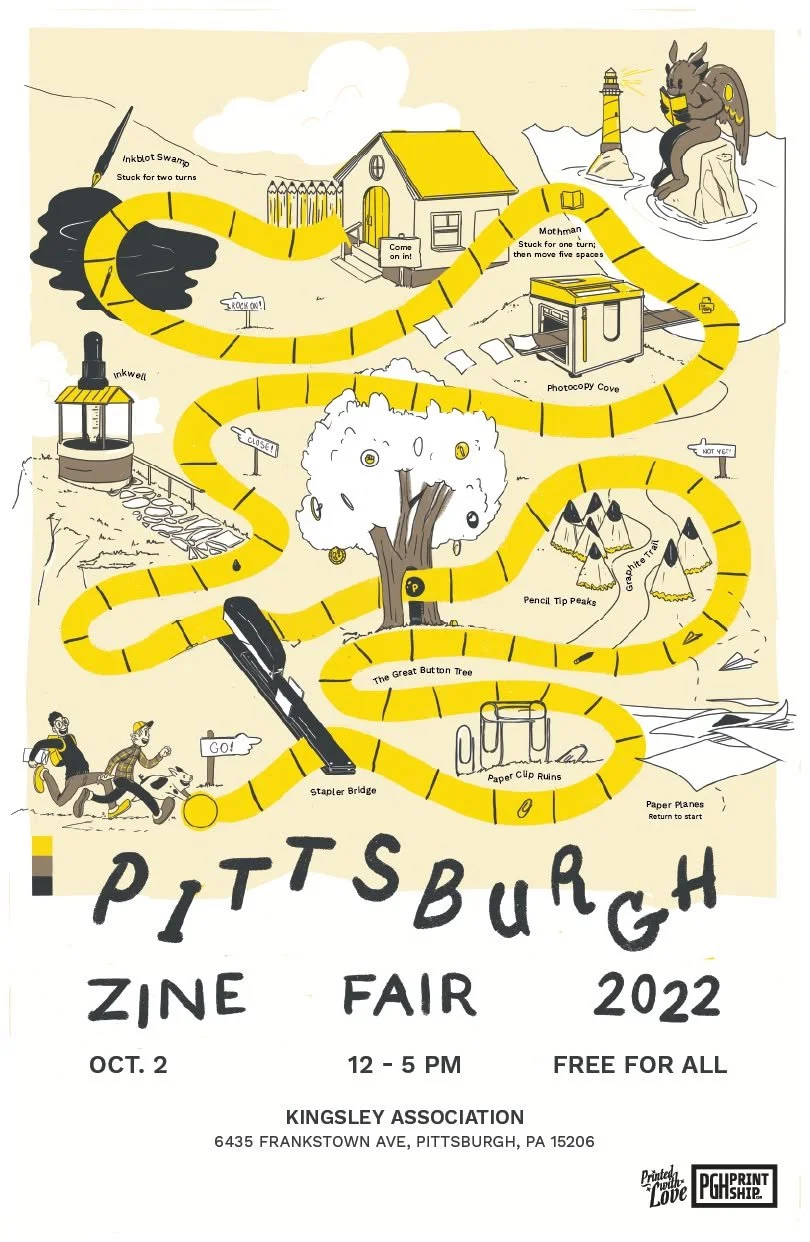
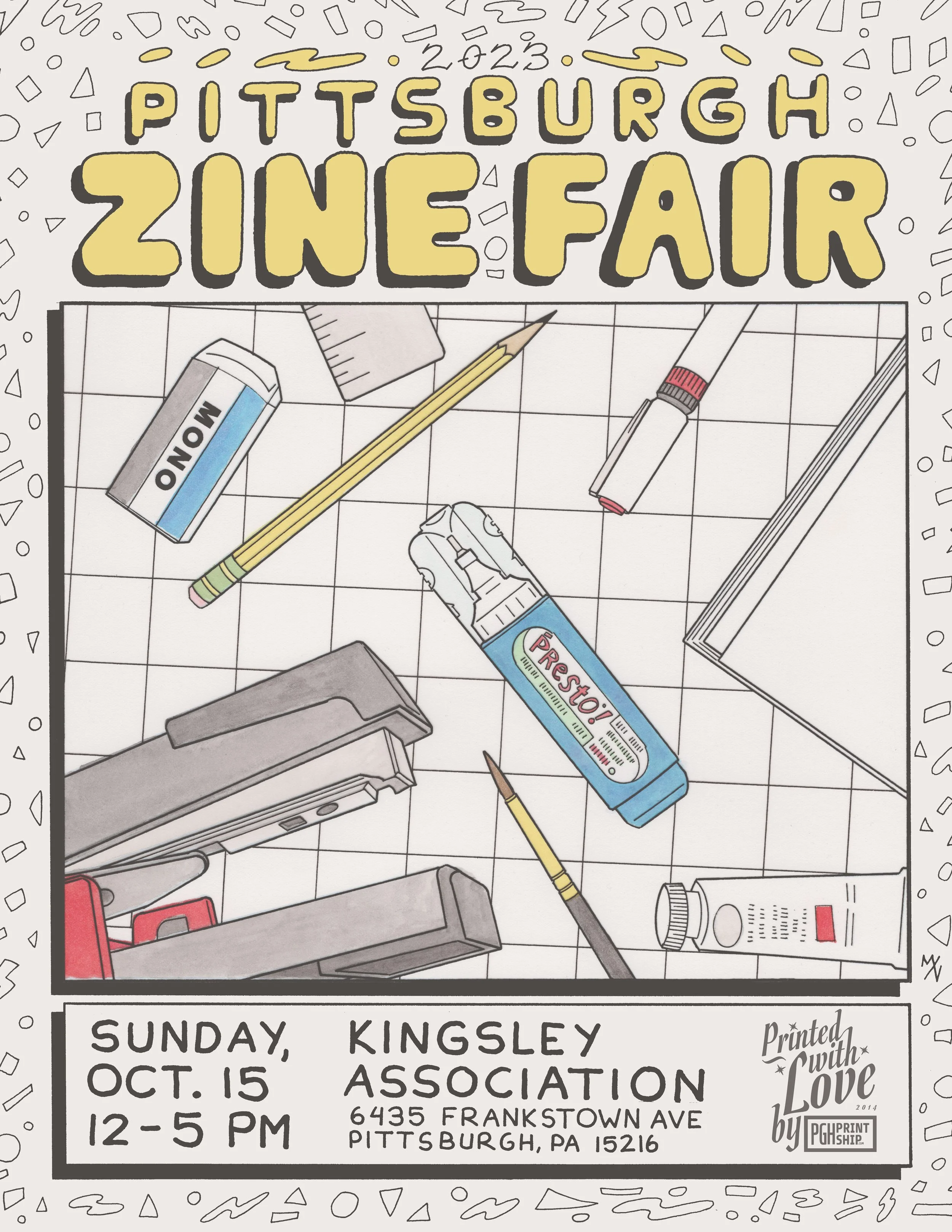
Zine History
A zine is any self-published, small-run book. They are commonly photocopied and typically printed in small batches of less than 1,000 copies. Zine-making represents a freedom to publish and distribute creative ideas often not highlighted in traditional media.
Zine history formed its modern roots in the early 20th century stemming from the word “fanzine.” People have been self-publishing along with evolving technology from the invention of the printing press in the 1440s to the cultural heyday of the zine linked to the rise of the photocopier in the 1990s to the present day's digital revolution.
It’s adoption by subcultures spawned its popularity among political activists and artists, as well dedicated groups from music to sci-fi, exploring the medium for new ways of expression. Even historical figures like Martin Luther, Benjamin Franklin, Thomas Paine, and William Blake could be considered early “zinesters.” Fanzines officially described the circulation of science fiction newsletters in the very early 1930s and was adopted by groups from rock’n’roll to the Surrealists to political factions of anarchism, communism, and socialism. Punk rock drove zines on through the 70s and 80s, where they reached a cultural peak in the 90s along with Riot Grrrl feminist movement.